Computer Aided Design (CAD) – My perspective on pre-digital to post-digital CAD
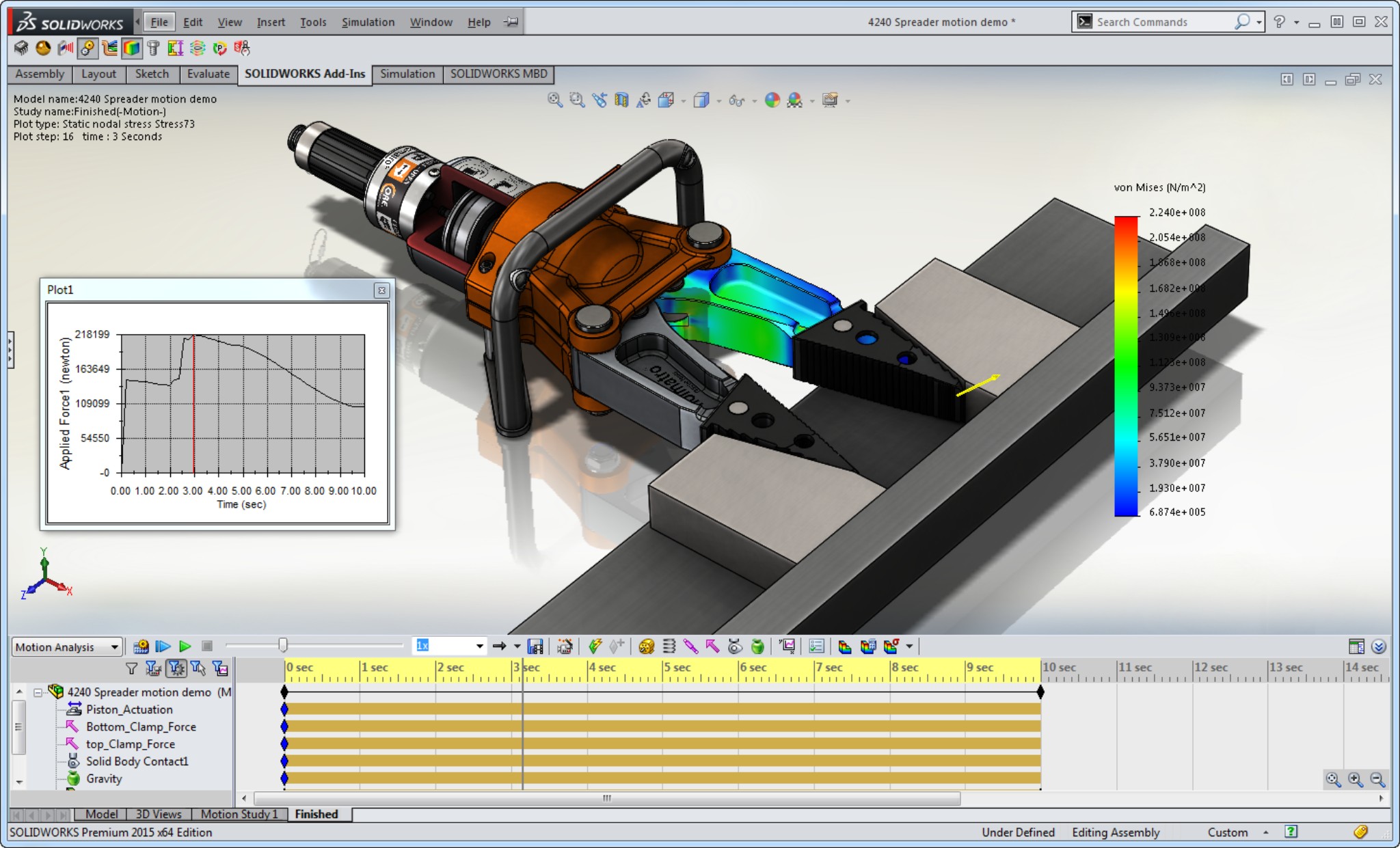
The shift from manual drafting to digital Computer-Aided Design (CAD) has transformed industries like architecture, engineering, and industrial design by dramatically increasing precision, efficiency, and creative potential. CAD enables rapid prototyping, easy edits, and global collaboration, while allowing designers to visualize complex 3D models and simulate real-world conditions—all of which were difficult or impossible with traditional hand-drawing methods. From a technological and economic standpoint, CAD streamlines workflows and reduces costs, and educationally, it equips students with in-demand digital skills. Environmentally, it cuts down on paper waste and physical prototypes.
However, the digitization of design also brings challenges. The high cost and complexity of CAD software can limit access, and an overreliance on digital tools risks eroding foundational manual drafting and conceptual sketching skills. Additionally, environmental concerns around energy use and e-waste from powerful computing systems must be acknowledged. An interdisciplinary view shows that while digital CAD offers vast benefits, its adoption must be paired with efforts to maintain traditional design literacy, ensure equitable access, and manage its technological and environmental impacts responsibly.
ChatGPT prompt – What was the challenges of engineering before CAD?