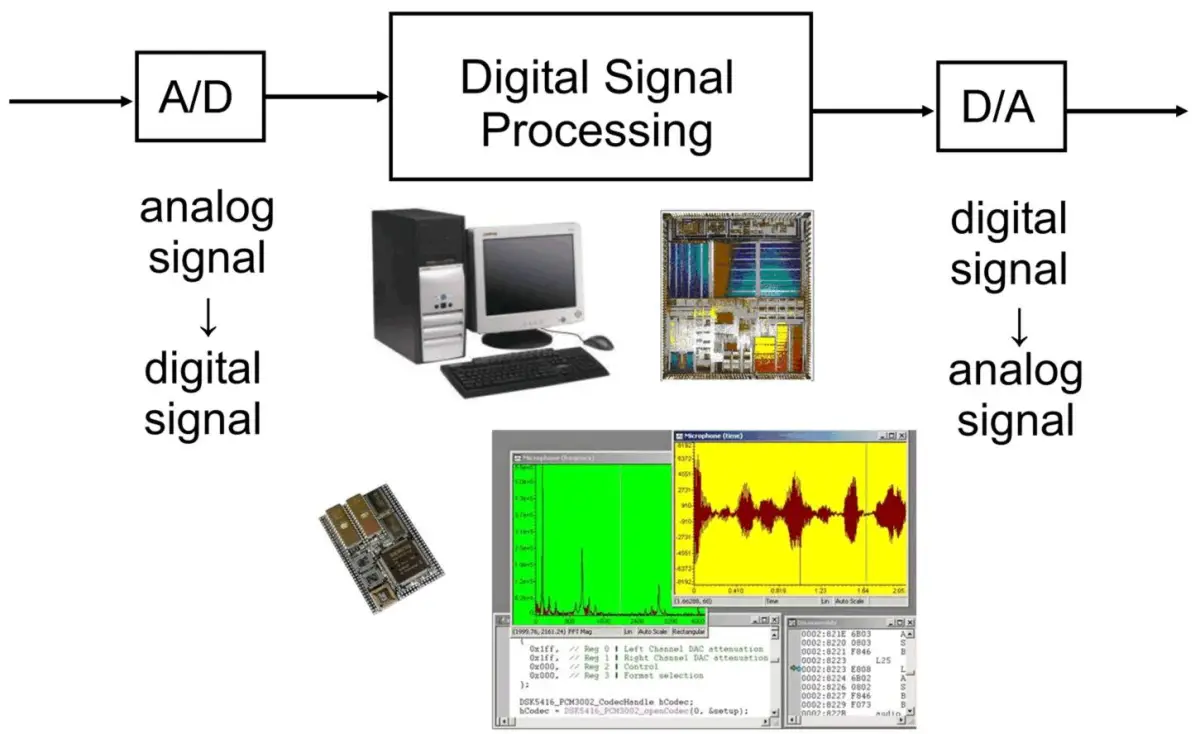
Critique of Digital Signal Processing (DSP)
Digital Signal Processing (DSP) has fundamentally reshaped how we produce, manipulate, and experience audio and visual media. From noise reduction and compression algorithms to real-time effects and deepfake generation, DSP offers engineers powerful tools to enhance clarity, efficiency, and creativity. However, this technological advancement raises important ethical and cultural concerns. The ability to manipulate sound and images so precisely challenges the authenticity of media, blurring the line between what is real and what is synthetic. In areas like music, critics argue that excessive use of autotune or visual filters diminishes artistic expression and creates unrealistic standards.
From an interdisciplinary perspective, these concerns extend beyond engineering. Media studies and ethics highlight the potential for DSP to mislead or distort public perception, especially in political or social contexts where deepfakes and audio manipulation can be weaponized. Psychology adds another layer, pointing to how hyper-edited content may impact mental health, especially among younger audiences exposed to idealized digital realities. While DSP continues to be a vital tool in modern engineering and communication, its societal impact must be critically examined to ensure its use upholds integrity, transparency, and human-centered values.
Prompt – What are the downsides of modern DSP techniques and processes?